
News & Stories
All News & Stories

"Rather than banning diesel exports, Trump should learn the lessons of history and not sacrifice U.S. energy clout and geopolitical strength for fleeting political relief," writes Jason Bordoff, Professor of Political Practice at Columbia University’s School of International and Public Affairs.
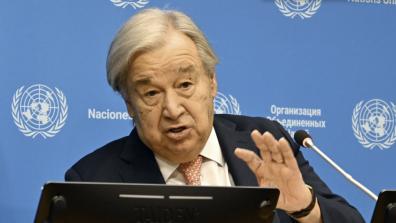
"Framing risk as a model property or 'advanced capabilities' implicitly treats technology as the subject, but technology cannot be held accountable," writes IGP researcher Jen Weedon.
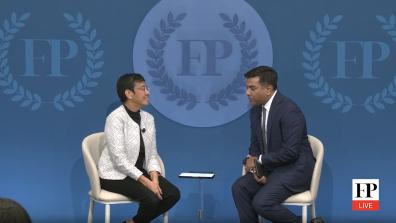
A conversation with Nobel laureate Maria Ressa, SIPA professor of professional practice.

Anya Schiffrin, codirector of the Technology Policy and Innovation Concentration at Columbia’s School of International and Public Affairs, who recently published a report on the Mamdani administration’s relationship with influencers, said she recommends that all city agencies use a standard disclosure when working with paid influencers.

Private installations reduce costs even during winter months and would pay for themselves in 17 years, research coauthored by SIPA's Robert Metcalfe found after analyzing data from bills.
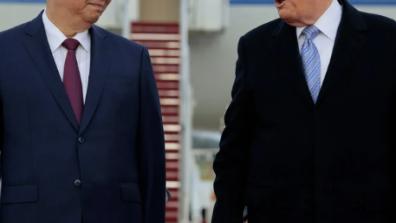
A conversation with China experts, including Julian Gewirtz, former Senior Director for China and Taiwan Affairs at the White House National Security Council and IGP Senior Research Scholar at Columbia SIPA.
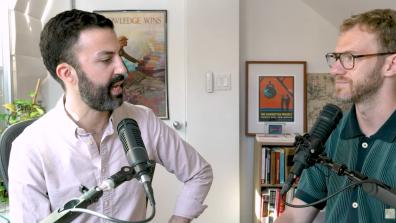
A conversation with Julian Gewirtz, former Senior Director for China and Taiwan Affairs at the White House National Security Council and IGP Senior Research Scholar at Columbia SIPA.
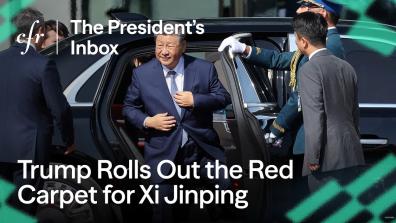
A conversation with Julian Gewirtz, former Senior Director for China and Taiwan Affairs at the White House National Security Council and IGP Senior Research Scholar at Columbia SIPA.
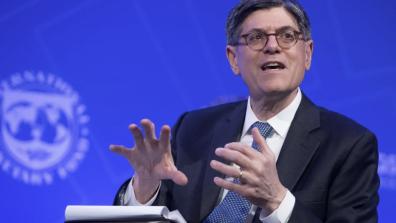
Social Security won't have enough income to fully pay benefits during the next presidency, warns Jack Lew, former Treasury Secretary and Professor at Columbia University's School of International and Public Affairs. "There are solutions, but the solutions get harder and harder as you get closer to the exhaustion date," he said.

"Someday, as unlikely as it may seem now, the two countries may realize that they do not have to agree on who should win the AI race to agree that neither side can afford to lose control of it," writes Julian Gewirtz, senior research scholar at Columbia University’s School of International and Public Affairs.