
News & Stories
All News & Stories

"Woven through the [IPCC] report, glaciers illustrate the report’s key theme: the stark differences between a world that has lower emissions and more effective policies, and one that has higher emissions, and is less well governed," Ben Orlove writes in State of the Planet.
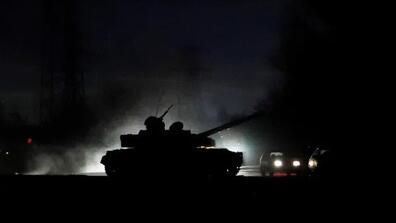
Deterrence Is Out, and Economic Attrition Is In—Eddie Fishman co-writes.

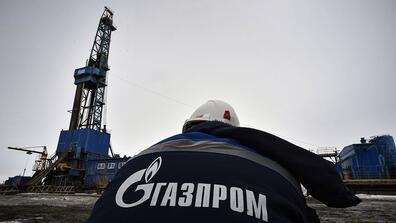
“You end up harming European and US consumer and businesses if there’s not enough spare capacity or strategic reserves or alternative supplies to provide a medium-term alternative to that Russian oil,” Robert Johnston of the Center on Global Energy Policy comments.

Jason Bordoff, Director of the Center on Global Energy Policy, talked about the impact of Russia’s invasion of Ukraine on energy supply and prices.

Pavlo Illiashenko MPA '22, who has lived in Ukraine for most of his life, spoke out about Russia's invasion of Ukraine.
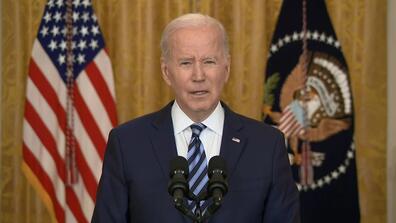
Sanctioning the central bank, Richard Nephew said, “will be seen as a massive escalation regardless.”

SIPA experts convened for this discussion on February 25, 2022.
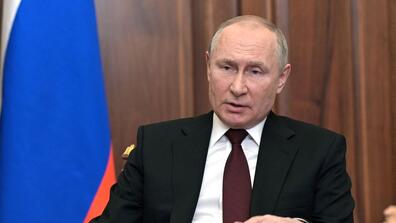
“Now beyond the obvious goal of restoring Russian control over Ukraine, Putin would like to split the NATO alliance. There are two ways he might use his invasion of Ukraine to attempt this,” Kimberly Marten writes.

Russia has sought to shape American attitudes toward political issues “through a subtle, sophisticated, very long game of influence,” said Camille François.