
News & Stories
All News & Stories

Alex Bornyakov MPA '19, Ukraine's deputy minister of digital transformation, talks about the digital war being fought with online volunteers.

Interim Dean Thomas Christensen joined fellow members of the Task Force on U.S.-China Policy in signing this recent statement.

Richard Nephew and Eddie Fishman discuss Russia’s global oil and gas exports, the near and long-term outcomes of economic sanctions on the Russian economy and the prospects for a revived Iran nuclear deal.
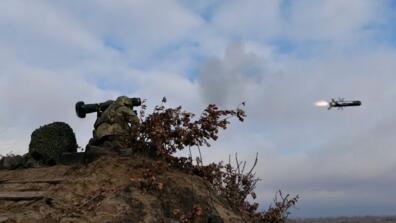
Stephen Biddle says the West can raise the cost of Russian aggression.

Michael Doyle discusses the plight of Ukranian refugees and the danger of a new Cold War.
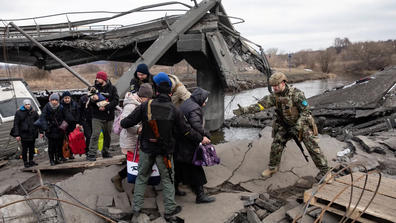
Richard Betts's new piece discusses a no-fly zone proposal for Ukraine.

"With the world worried about the risk of nuclear escalation between Russia and the West, now might also be a good time to worry about the risk of cyber conflict escalating to war as well," Jason Healey writes.

"Though rape is one of the most commonly perpetrated war crimes, it is rarely considered by international courts," says Tanya Domi.