
News & Stories
All News & Stories
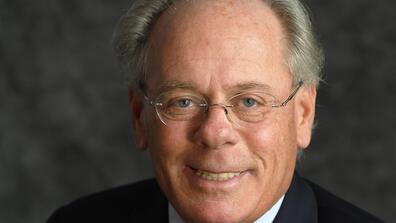
Professor Steve Cohen reflects on the ever changing landscape of education for sustainability professionals
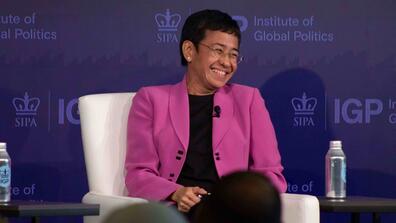
Professor Camille François and IGP Fellow Maria Ressa will lead the newly announced innovation lab, which will be within the Institute of Global Politics.
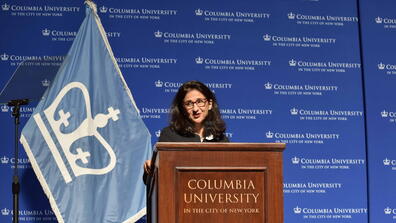
SIPA, along with the President’s Office, held it’s inaugural symposium event on the geopolitics of climate change and the energy transition. This was the first of many talks that will look to draw upon the depth of Columbia University’s faculty members.
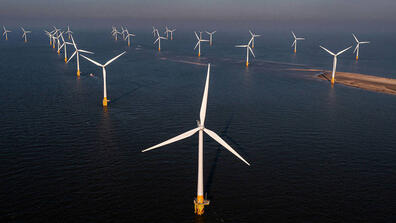
Professor Geoffrey Heal says COP28 has the potential to drive further climate action, but that this success depends entirely on execution.
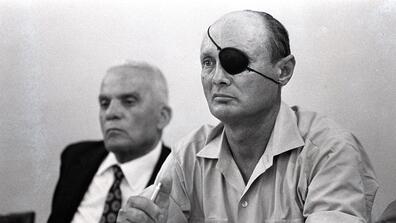
Dean Keren Yarhi-Milo and Professor Timothy Naftali show why, in the case of the recent attack on Israel by Hamas, gathering the right intelligence is not always enough.
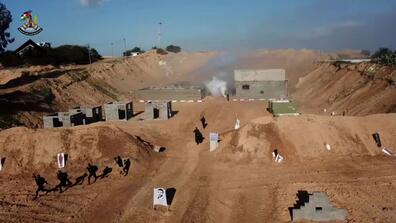
Professor Stephen Biddle speaks about the weapons that Hamas are deploying.
SIPA convened an expert panel to discuss the Hamas attack on Israel, its implications, and more.
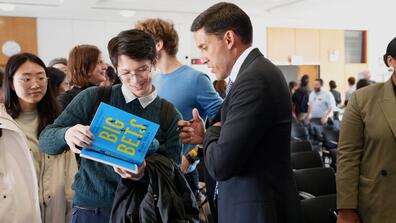
Dr. Rajiv Shah, president of the Rockefeller Foundation, talked about his new book with Dean Keren Yarhi-Milo.
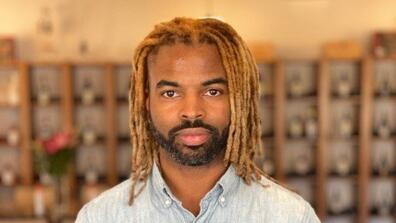
Fareed Abdullah is an MIA student concentrating in Urban and Social Policy and specializing in Technology, Media and Communications.
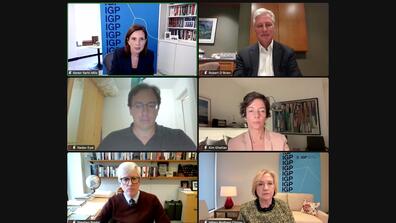
SIPA convened a panel of experts for an online “Rapid Response Webinar” on Tuesday following Hamas’ unexpected attack on Israel on October 7.