
News two
Lorem ipsum dolor
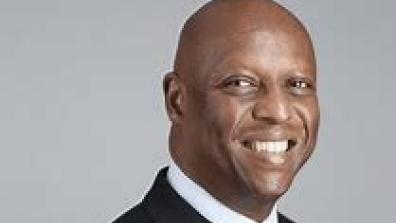
“I think his idea of how the energy transition is working is probably more pragmatic than the people who just look at it purely from a climate perspective,” said Andrew Kamau, co-director of the Energy Opportunity Lab at the Center on Global Energy Policy and a former official in Kenya’s Ministry of Petroleum and Mining.
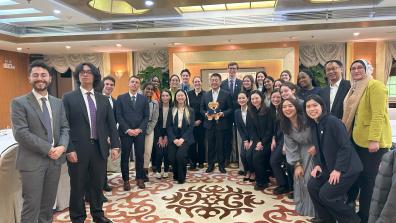
In her final blog about China Trek, Marsela reflects on her time in Shanghai especially through history, innovation, and social landscape.

Robert Johnston, senior director of research at the Center on Global Energy Policy, argues that it would be dangerous for oil executives to turn away from low carbon after just a few years of bad returns accelerated by a pro-fossil fuel Trump administration.
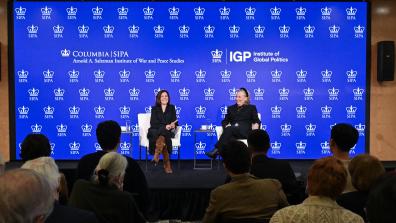
Saltzman Institute and multiple sponsors gathered top academics for a conference honoring Robert Jervis’ enduring impact on political psychology.

“Donald Trump’s instincts haven’t changed,” said Timothy Naftali. “He’s just angrier, meaner and more effective than he was in his first term.”
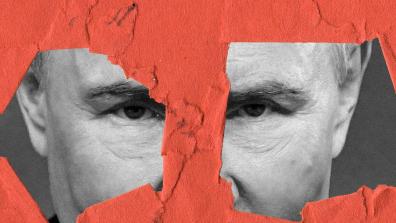
If world leaders had been clearer about the sanctions Putin would face, they might have deterred his invasion of Ukraine, writes CGEP Senior Research Scholar Edward Fishman.

Tamar Mitts discusses hate groups, social networks, and online radicalization, including violent extremism, the contribution of social media and lived experiences in the real world, and online propaganda.
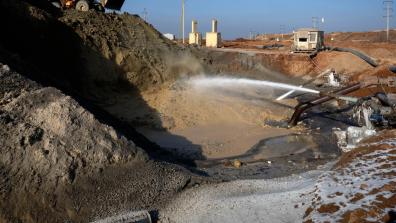
"To the credit of the first Trump administration, they have always put critical minerals as a very important policy priority because they knew they were so heavily reliant on China," Tom Moerenhout said.

Timothy Naftali, a historian at Columbia University’s School of International and Public Affairs, noted that the building’s residential spaces are out of view and presidential families often make changes there.