News two
Lorem ipsum dolor
Controlled studies capture only a fraction of the effects of artificial intelligence. Economists should work with social scientists to find innovative ways to fully grasp this fast-moving field, writes Daniel Björkegren.
Nonya talks about her experience working before graduate school (she has an upcoming blog about her direct experience too!). Graduate school is not the time to find yourself, it's the time to apply yourself -- Nonya's professional experiences helped her with direction and clarity for this program.
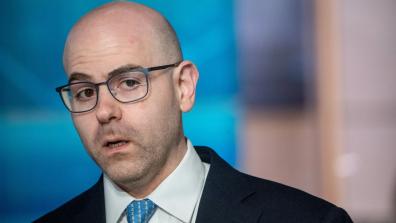
“There was a large bout of inflation that resulted in an increase in prices after the pandemic,” Miran said at Columbia SIPA. “While American families are still rightly distraught with that experience and unhappy with affordability, prices are now once again stable, albeit at higher levels. Policy should reflect that.”
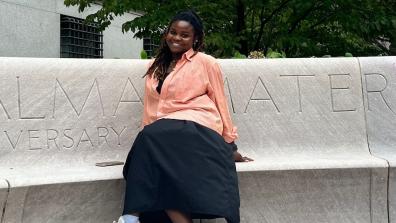
Attending Columbia SIPA has empowered Yedidya Zohore to envision a career of peacebuilding and cooperation across regions.
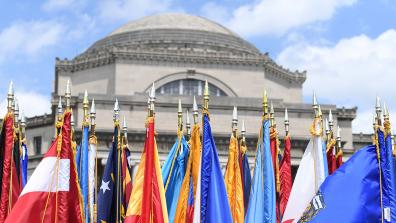
Diana talks about her experience beyond the classroom; from student organizations to assistantships, there's so much to take in here at SIPA.
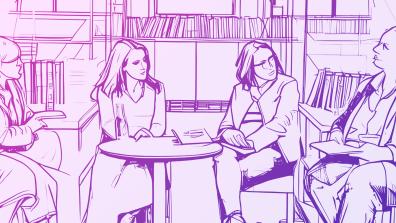
For Journalism 2050’s inaugural live event, Emily Bell and Heather Chaplin are joined by Azmat Khan, the director of Columbia’s Simon and June Li Center for Global Journalism, and Anya Schiffrin, a professor at the Columbia School of International and Public Affairs, to discuss the consequences of the war on Gaza on journalism and what history can teach us about the role of the press in times of crisis.
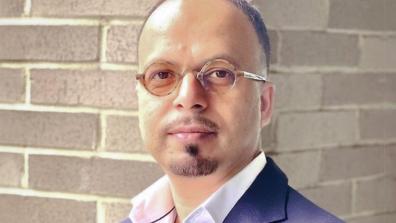
The distinguished author and policy practitioner will teach a new course on Islam, Judaism, and the Israeli-Palestinian conflict, emphasizing ideas, identities, and policy practice.
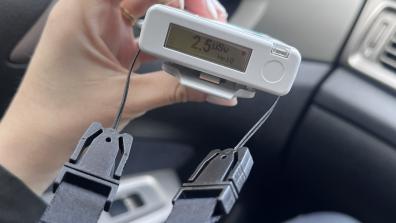
A travel essay from 2025 Raphael Smith Memorial Prize winner Adalí Frias Deniz MIA ’25
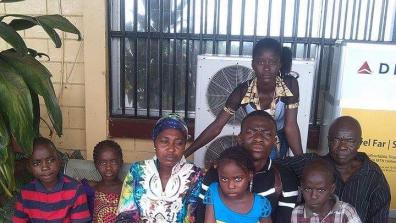
A travel essay from 2025 Raphael Smith Memorial Prize winner Mustapha Dukuly MPA ’25
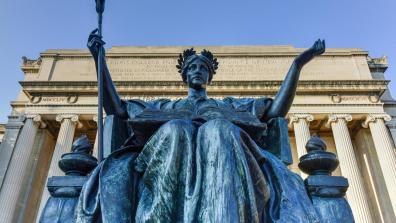
With the fellowship deadline of December 20th approaching, Kamayah talks about additional funding sources to keep in mind during the application process.