
News & Stories
All News & Stories
Feeling overwhelmed by SIPA’s many deadlines? Olivia breaks down each one—Early Action, Fellowship Consideration, and the Final Deadline—so you can plan your application timeline stress-free and apply when your story feels ready.
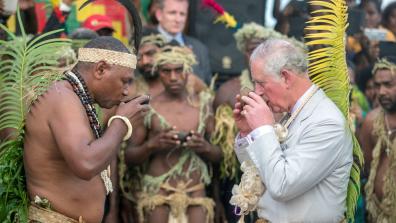
Small island states are calling for a rethink. They want to be recognized as "large ocean states," which should take into account the economic importance of their maritime territory. Jonas Oliver Piduhn MIA '24 and Jenik Radon explain why.

On New York City's mayoral debate, Robert Shapiro, a political scientist and professor at Columbia University, states that Curtis Sliwa’s strategy will likely be to sit back and watch Mamdani and Cuomo slug it out, hopefully boosting his own chances in the process.
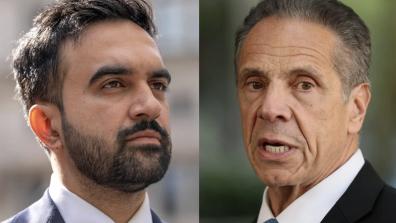
On New York City's mayoral debate, Robert Shapiro, professor of political science and vice dean of the School of International Public Affairs at Columbia University: “If Mamdani wins, the Republicans and Trump will try to use Mamdani’s victory to try to demonize the Democrats further in the run-up to the 2026 midterm election.”
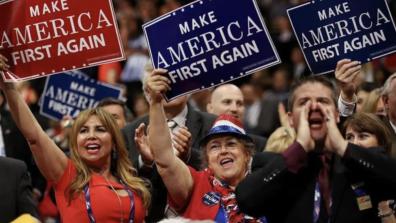
"Milei has always been very loyal to Trump," Victoria Murillo, professor of political science and director of the Institute of Latin American Studies at Columbia University, tells BBC Mundo. "There doesn't seem to be any explanation beyond geopolitics and the connection between the two."
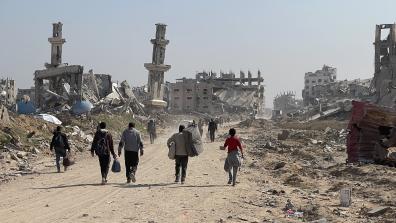
Saltzman Institute member Page Fortna writes: "a lot of hard work remains before this ceasefire is strong and durable, let alone everlasting."
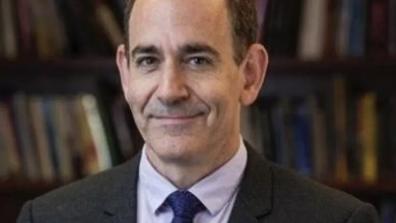
Columbia's presidential historian analyzes the impact of domestic and international tensions on the American election race: "America has experienced authoritarian regimes before. But not a man like this in the White House since Andrew Jackson." And on the Middle East: "Trump has merit, but the political dividends will go to the Democrats."
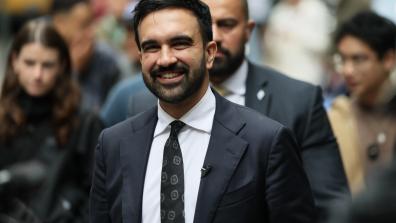
Columbia University professor Robert Y. Shapiro, on Zohran Mamdani's statement about the Israeli hostage releases: "My reaction is that he thought he needed to say something, knowing that it would be interpreted in different ways by his supporters versus opponents."

What needs to happen next for Gaza to start rebuilding after the war? NPR's Michel Martin asks Jack Lew, the former U.S. ambassador to Israel under President Biden.
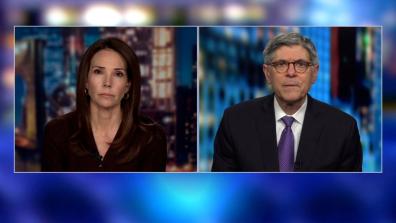
Jack Lew, the U.S. ambassador to Israel under President Biden, weighs in on President Trump's ceasefire in Gaza and what major questions still remain.