
News & Stories
All News & Stories
Columbia University Professor Joseph Stiglitz discusses his work to move beyond GDP as the dominant measure of economic performance to incorporate factors like inequality, sustainability, and human well-being that traditional metrics often overlook.

Ben Orlove, a professor at the School of International and Public Affairs, Columbia University, believes that “things will get serious soon, and might be very drastic further in the future. Reducing emissions could help, but radical reductions are unlikely.”

Perhaps you have attended virtual information sessions and you heard our Seeples (spoiler alert of the content of this blog!) talk in acronyms about concentrations, specializations, offices, etc. Or, maybe you just began to read and enjoy our blogs (if so, welcome!). Either way, if you left confused with all the acronyms, sounds about right! So, since we all have been in your shoes - Olivia has created the ultimate guide to SIPA Lingo.

According Secretary Hillary Rodham Clinton, professor of international and public affairs, failing to treat the repression of women as the crisis it is all but guarantees that democratic erosion will continue unchecked.

The task force, which is composed of thought leaders with distinguished backgrounds in government, civil society, and the private sector, will be chaired by Secretary Jacob J. Lew and Edward Fishman.

As the U.S. and Iran continue to engage indirectly in nuclear talks, Senior Research Scholar Richard Nephew, a former deputy special envoy for Iran in the Biden administration, unpacks the challenges that remain.

In a new working paper, senior lecturer Anya Schiffrin and Roberta Carlini argue that AI firms should automatically pay for the content they use. The most sustainable policy is to require payment to publishers and creators, known as “statutory licensing”, for use of their output.

According to senior lecturer Anya Schiffrin, AI chatbots are siphoning traffic from news sites, but the current process for demanding compensation–suing tech firms–is slow, expensive, and unfair.
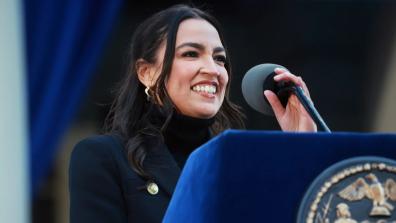
Robert Y. Shapiro told Newsweek some of the factors that will shape the primary: “The perceived state of the economy, and its not meeting voters' expectations, given Trump's promises. Also, the disruption caused by ICE officers' overly aggressive actions against immigrants—taking citizens into custody, killing people in incidents that have shown their lack of training, and otherwise acting illegally.

Maxim talks about how he creates the course schedule that is best suited for him and his goals, which may not include a class before the sun rises! Learn more about what to consider when you look at planning your two-year future!