
News & Stories
All News & Stories

Alexander Cooley writes about the Collective Security Treaty Organization, which on Jan. 5 sent troops to help the Kazakh government quell mounting political unrest.
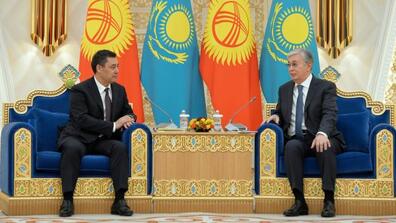
"In supporting the CSTO intervention today in Kazakhstan, Kyrgyz President Sadyr Japarov is perhaps hoping to secure similar CSTO support for himself in the future," Aidai Masylkanova MIA '09 writes.
[en español] Is the ideological pendulum swinging once again in Latin American politics? María Victoria Murillo foresees a wave not from the right or left, but of general discontent with whomever is currently in power.
SIPA faculty Thomas J. Christensen and Keren Yarhi-Milo remember their distinguished colleague.
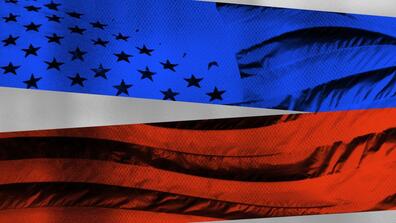
"The U.S. has fortunately avoided civil conflict for over 150 years, but that leads many to misunderstand what civil war in the 21st century would mean," says Lincoln Mitchell.

[en español] Americans disagree whether the January 6 attack on Congress was a threat to democracy, or a defense of it. Robert Shapiro says people's opinions are driving their perceptions of reality, which presents a real problem.

"The energy situation limits the scope of actions Western powers can take to counter Russian aggression," Jason Bordoff comments.
Arvind Panagariya shares some ideas for India's budget.

“When we refer to climate change as a crisis and existential risk,” writes Jason Bordoff, “too often we do not act as if we believe that rhetoric to be true.”