
News & Stories
All News & Stories

“The Economic Cooperation and Trade Agreement (ECTA), signed by India and Australia on April 2, establishes a free trade agreement (FTA) in both goods and services between the two nations. From the viewpoint of India, this is a landmark development,” Arvind Panagariya writes.

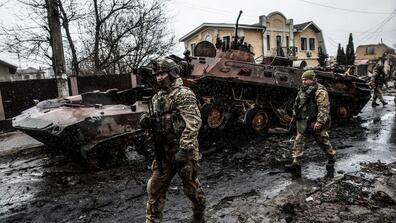
“The real problem they’re going to have with the sanctions response is it will be seen as insufficient pretty much no matter what you do. The atrocity committed will always be much worse than a sanctions response,” said Richard Nephew.

Second-year student plans to take lessons learned at SIPA back to China.

“China’s GDP growth target for this year looks highly challenging in light of the Ukraine war and US monetary tightening. The target remains feasible, but only if Chinese policymakers return to the sort of market-oriented reforms and regulation that have proved successful in the past,” Shang-Jin Wei says.
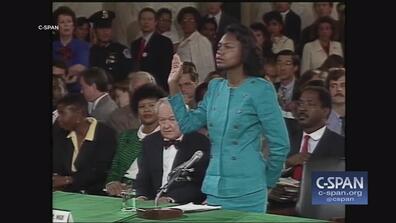
As unsettling and infuriating as appellate judge Jackson’s maltreatment may have been, “It’s not a surprise relative to the post-Donald Trump era of American politics,” Ester Fuchs said.
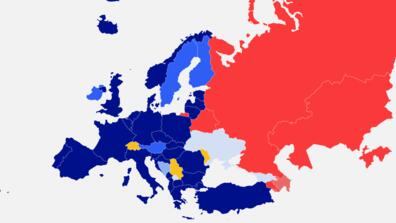
Ukrainian President Volodymyr Zelenskyy told Russian journalists that his country would consider neutrality to end the month-old war with Russia “without delay.” Stephen Sestanovich said it could mean Ukraine agrees not to join military alliances or allow foreign military bases inside its borders.
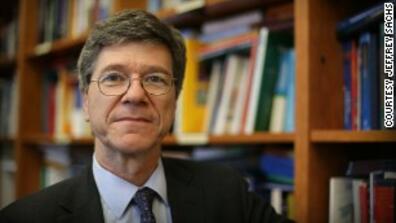
“COVID-19 was not only a national tragedy, but also a failure of social justice. The burden of disease was borne disproportionately by the poor, women, and people of color,” Jeffrey Sachs said.

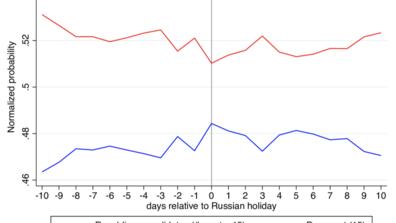
Researchers find link between reduced activity on Russian holidays and movement of online betting markets