
News & Stories
All News & Stories

A Strategic Approach to Writing Your Columbia SIPA Admissions Essays

Why this document is more about storytelling than selling yourself

Why this part of your application is more flexible - and more meaningful - than you think

SIPA’s Sara Tjossem – along with MPA-ESP 2024 alumni Anna Veldman, Saiarchana Darira, Christina Van Dyke, and Radhika Ajayan – are among the coauthors of the new paper.

J. James Kim, lecturer of international and public affairs, testified before the before the House Foreign Affairs East Asia and Pacific Subcommittee on the topic "Charting a New Course: Countering China's Dominance in Global Shipbuilding."
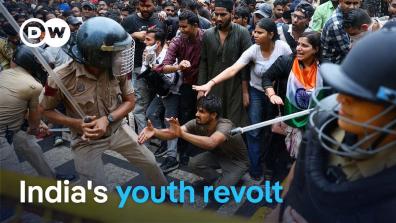
"There is this general feeling among young people [in India] that opportunities are drying up, and there is not much understanding among the political elites on what kind of fears and anxieties these young people are facing," says Rumela Sen on India's youth-led protests.

According to senior research scholar Jason Healey, AI in the near term may drive cybersecurity back to its roots, when widespread vulnerabilities, not deceptive intrusions, drove incidents.

A Columbia SIPA Capstone team's research underpins a World Bank publication on the difference between labor market policy that works across generations and well-intentioned reform that misses the mark.

A leading geopolitical risk analyst, Tina Fordham discusses her new book Mad World: A Geostrategy Survival Guide for Leaders.