
News & Stories
All News & Stories
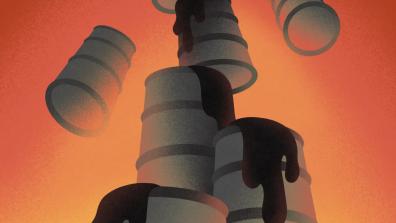
"For the moment, the U.A.E.’s exit changes little. Over time, a weaker OPEC may mean not lower prices but greater volatility — more violent swings that households and businesses will struggle to absorb," says Jason Bordoff, founding director of Columbia's Center on Global Energy Policy.
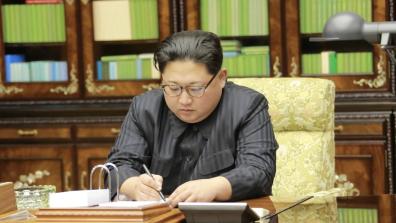
"Every American administration pledges to learn from the past when devising a strategy for contending with nuclear North Korea. And yet, few portfolios are so paralyzed by path dependency and resistance to learning. But now, confronted with the inescapable prospect that the legacy approach is actually creating risk rather than reducing it, the time has come to learn and pivot," writes SIPA lecturer Jonathan Corrado.
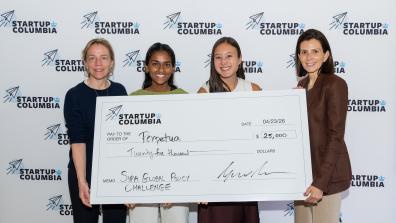
Four teams were selected from among 48 applicants at Columbia Entrepreneurship’s annual campus-wide awards ceremony.
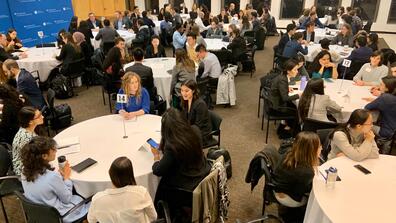
It's never too early to start thinking about your future! Diana highlights her tips on how to search for a job through leveraging SIPA resources.
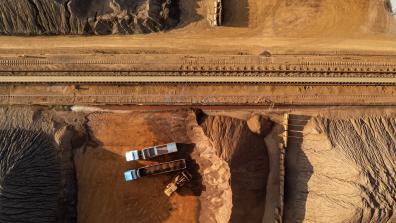
"Demand for critical minerals is rising, but investment is still not scaling where risks, timelines and revenues remain hard to underwrite. Building a more resilient and diversified supply will require targeted de-risking tools that can crowd in private capital where it is most needed," writes CGEP research scholar Tom Moerenhout.
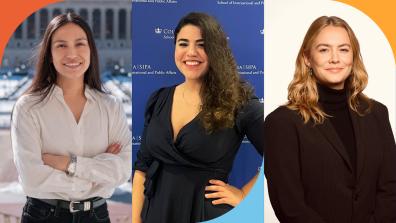
The prestigious program, now in its third decade, places graduate students directly in the offices of current and former women heads of state.
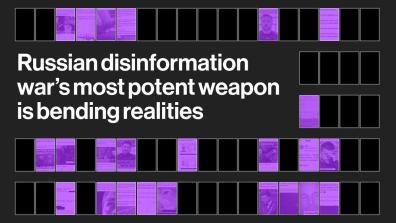
“In a lot of these elections, you don’t need big numbers — you need targeting and that’s what the Russians do,” says Anne Nelson, a research fellow at the Arnold A. Saltzman Institute of War and Peace Studies at Columbia University.
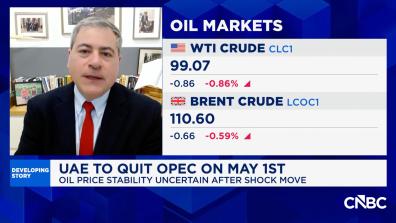
"In the immediate, the [price] impact is not enormous. The longer term is the question: is OPEC still able to function in further years to restrain production and add spare capacity when needed?" comments Jason Bordoff, founding director of the Center on Global Energy Policy.
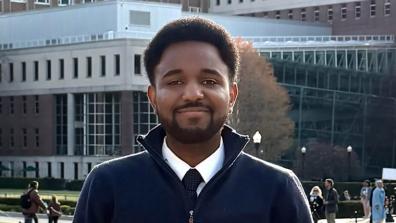
Moustapha Diallo MIA '27 is studying international security and diplomacy within the MIA program. Nonya talks with Moustapha about his goals about working as a US diplomat and how SIPA supports his future.
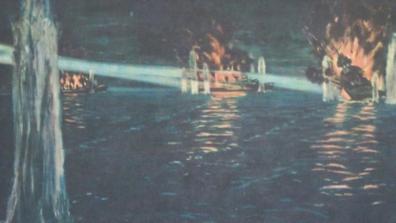
"As the U.S. Navy prepares to field a new generation of untested technologies — like autonomous drone wingmen and AI-powered target recognition systems — against a peer competitor in the Western Pacific, The Battle of Savo Island is a reminder that acquiring a capability and being able to employ it are not the same thing," says professor of international and public affairs Stephen Biddle.