
News two
Lorem ipsum dolor
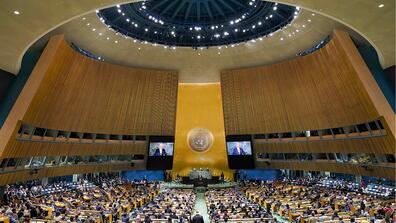
Seohyun Lee MIA ’24 wrote: “Authoritarian regimes are getting bolder and even working together to repress freedom well beyond their own borders."
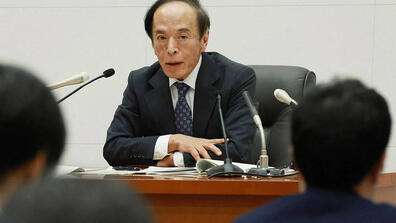
Takatoshi Ito writes that markets seem to be expecting the Bank of Japan to initiate monetary-policy normalization relatively soon, with interest-rate hikes most likely beginning in April.

Ian Bremmer collates a list of the 10 most pressing global risks for 2024.

Amali Tower MIA ’09, founder of the nonprofit organization Climate Refugees, said: “One of the biggest challenges for climate migrants is the ad-hoc patchwork of international protection mechanisms that may cover some but not others.”

Shang-Jin Wei writes that in order to boost aggregate demand and prevent a prolonged period of deflation and stagnation, Chinese policymakers must adopt aggressive fiscal and monetary policies and reform China’s state-owned banks.
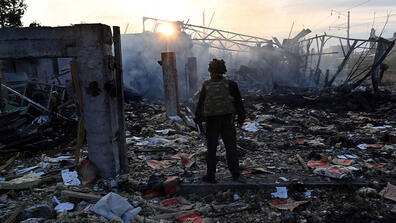
Joesph Stiglitz, with his co-author, writes that Ukraine urgently needs the funds confiscated from Russian assets to win the war, and that failing to make these resources available now is unconscionable from the United States and Europe.

Danielle Dougal MPA ’24 writes that the new order outlines a commitment to integrating AI responsibly in global development, including AI-related research in international settings.

José Antonio Ocampo writes: “Latin America’s economies continued to be the worst-performing in the developing world in 2023.”