From SIPA to Riyadh: My First-Year Summer Internship in the U.S. Embassy’s Political Section
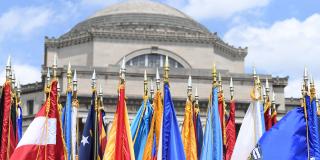
After completing my first year at Columbia SIPA, I spent the summer in Riyadh as part of my required graduate internship and my Rangel Graduate Fellowship. Stepping into the U.S. Embassy’s Political Section in one of the United States’ most strategically important missions felt both surreal and energizing. Within days, I went from finishing final papers in New York to attending high-level diplomatic meetings, drafting cables, and contributing to U.S. policy work in the Middle East.
Working at the Center of U.S.–Saudi Engagement: U.S. Embassy Riyadh represents the United States in the Kingdom of Saudi Arabia and advances a broad range of policy priorities—political affairs, human rights, governance, security cooperation, and regional diplomacy. As a Fellow in the Political Section, I supported this work by monitoring political developments, engaging with government and civil society, and drafting diplomatic reporting for Washington.
Throughout the summer, my responsibilities were both substantive and wide-ranging. I:
- Attended meetings with senior officials at the Ministry of Foreign Affairs, the Gulf Cooperation Council (GCC), and several embassies
- Drafted cables, readouts, and internal briefing materials
- Contributed to the Embassy’s political engagement tracking and internal analyses
- Assisted in transitions for incoming officers in the Political Section
Beyond my core duties, I also scheduled more than 50 informational coffees with diplomats, senior leaders, and locally employed staff across various sections. These conversations were essential in helping me understand the full scope of Embassy operations and the many paths within the Foreign Service.
Putting SIPA Coursework Into Practice: My first year at SIPA prepared me more than I expected for this internship. Taking Arabic for Heritage Speakers strengthened my reading and writing skills and gave me more confidence engaging with local media and conversations in Riyadh. My Human Rights and Humanitarian Policy course was directly relevant, especially since I worked closely with the Political Officer covering human rights issues at post.
Outside the classroom, SIPA’s speaker events and practitioner panels gave me insight into diplomatic work and helped me understand what to expect in an embassy environment. And, just as importantly, meeting Saudi students at SIPA helped me learn about the country and culture before arriving.
Advice for Future SIPA Students: For students considering an internship with a U.S. embassy, I recommend:
- Arriving with a strong understanding of the host country’s political landscape
- Reviewing key formats—cables, readouts, briefing notes—before arriving
- Being flexible, especially with logistics
- Taking the initiative to meet people across sections for mentorship
- Approaching each assignment with curiosity, professionalism, and cultural sensitivity
These steps can greatly enhance both your experience and your contributions.